


🔥50% OFF THIS WEEK PROMOTIONS🔥No-Slip Ankle Support That Works All Day—Without the Bulk
🔥50% OFF THIS WEEK PROMOTIONS🔥No-Slip Ankle Support That Works All Day—Without the Bulk

BUNDLE & SAVE
Couldn't load pickup availability
Assign upsell products in block settings
-
Ordered
- - -
Order Ready
- - -
Delivered

🔥50% OFF THIS WEEK PROMOTIONS🔥No-Slip Ankle Support That Works All Day—Without the Bulk
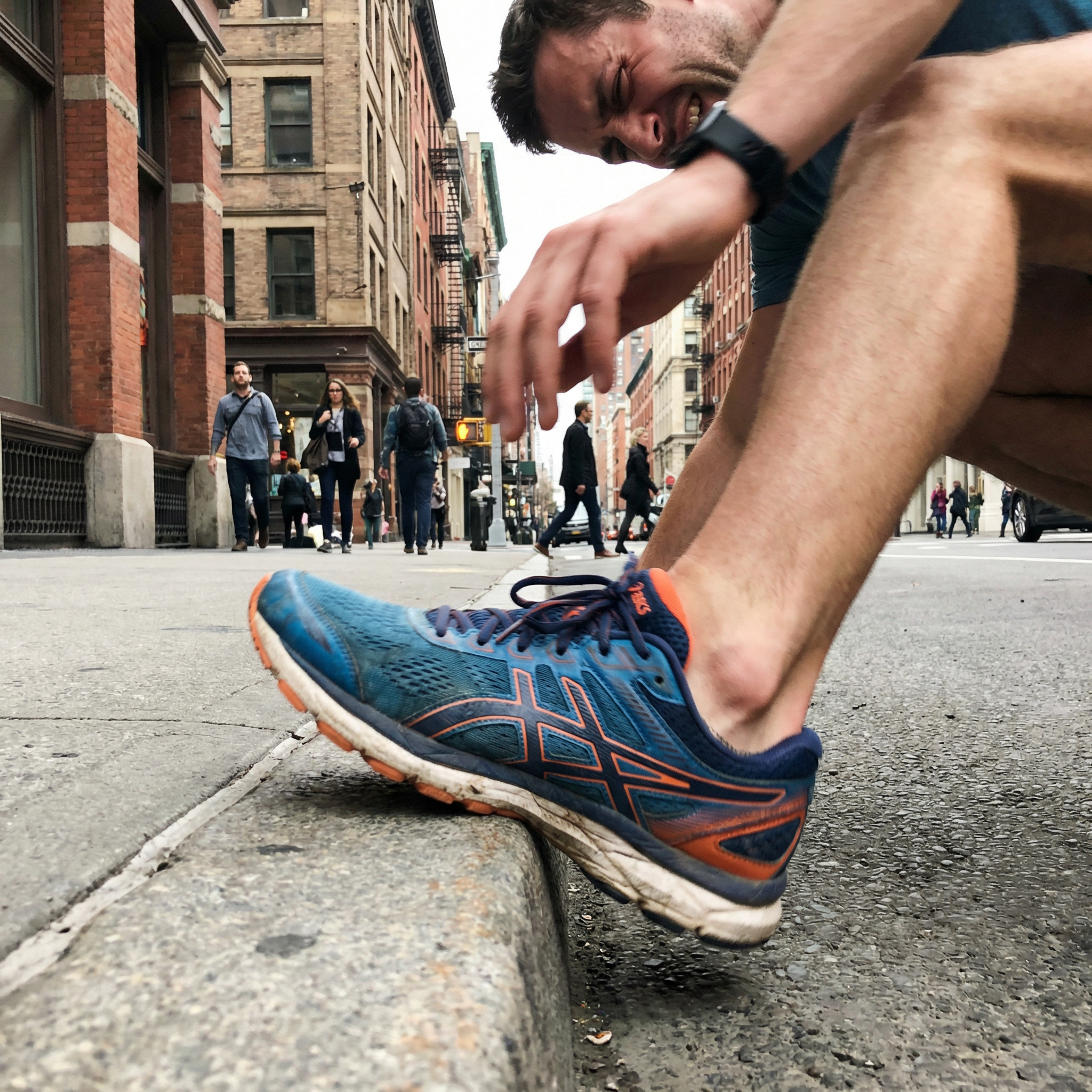
You step off a curb wrong and feel that sickening roll. Again.
You're playing a pickup game and land slightly off-balance. Your ankle folds inward like it has no structure left. That sharp, familiar pain shoots through you.Sound familiar?
If your ankle rolls regularly — during sports, workouts, hikes, or even just walking on uneven ground — you're not clumsy. You're not unlucky.
You're dealing with a mechanical problem that has specific, identifiable causes.
Roughly 20 million ankle sprains happen in the U.S. every year, and up to 40% of those people develop chronic ankle instability, where the ankle keeps giving out long after the original injury healed.
Stop falls on stairs and uneven ground
By lifting the foot and keeping the toes up during each step, the device prevents toe dragging that causes trips on stairs and uneven ground. This improves foot clearance, stability, and balance, reducing the risk of sudden falls. 
The frustrating part? Most people don’t know why it keeps happening.
They ice it, rest it, maybe buy a compression sleeve — and then it happens again.
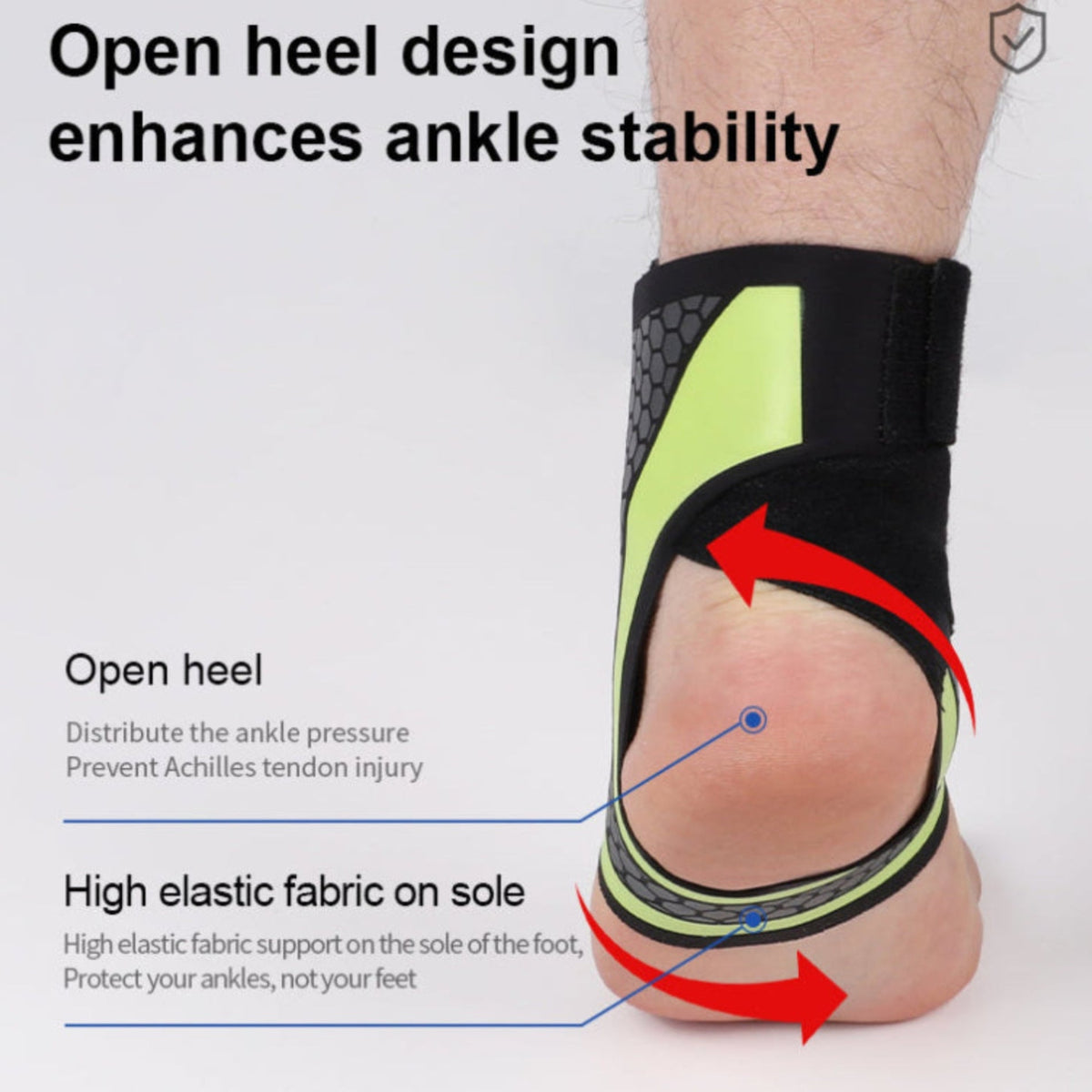
This is not just another ankle brace
Jordan Tried 4 Braces—This One Won.
- No more re-tightening: Stays locked all day long
- No bulk: Slim enough for any sneaker or boot
- No fear: Engineered to prevent the ‘wrong step’ relapse
Here are the 7 real reasons your ankle keeps rolling.
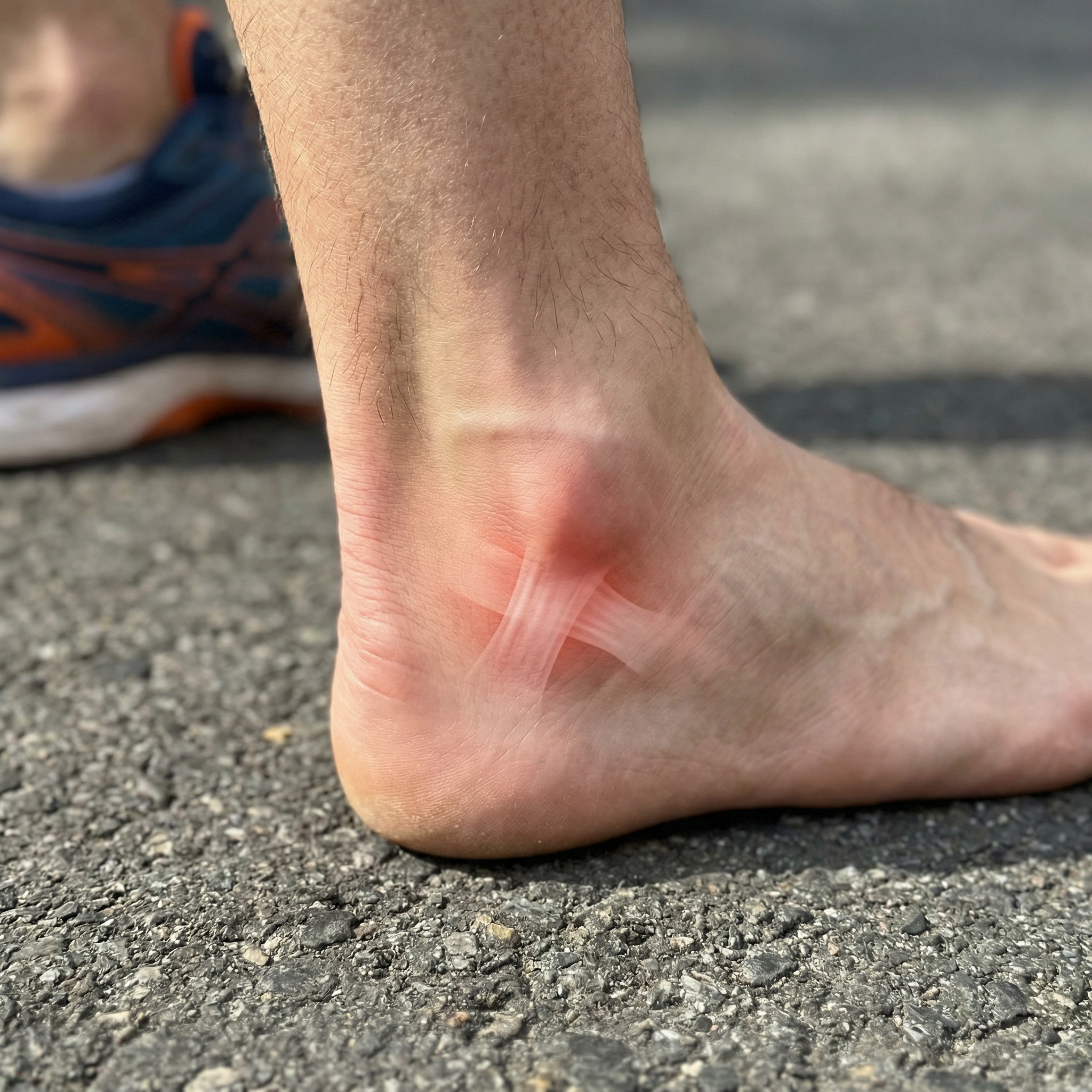
1. Your Ligaments Never Fully Tightened Back Up
When you roll your ankle, the ligaments stretch.
Unless they are properly rehabilitated, they often heal in a lengthened, loosened position.
The ligaments responsible for keeping your ankle from rolling inward lose their resistance to that motion.
That sprain you had months or years ago can still affect your ankle today because the structural support never fully tightened back up.
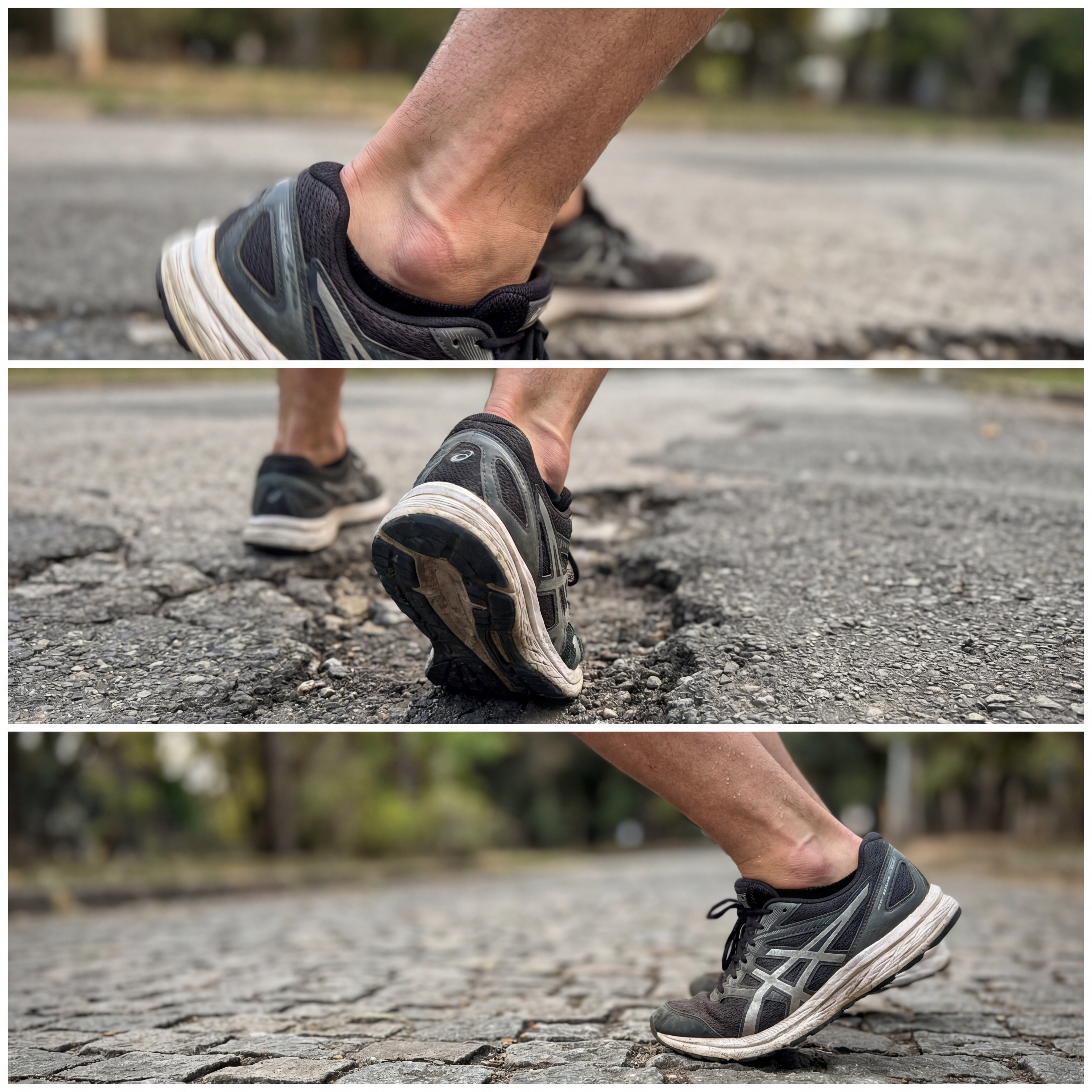
2. Your Proprioception Is Broken
Proprioception is your body's internal GPS.
It tells your brain where your ankle is in space and triggers instant corrections when you're about to roll.
When you sprain your ankle, that system gets disrupted.
The nerve signals that normally warn your brain about dangerous positions become slower or weaker.
That’s why many people describe their ankle as “randomly giving out.”
Your early-warning system simply isn’t reacting fast enough.

3. Your Stabilizing Muscles Are Weak
The muscles along the outside of your lower leg help resist the rolling motion that causes ankle sprains.
After an injury, many people reduce activity.
Over time, those stabilizing muscles weaken and can't react fast enough to prevent another roll.
The ankle becomes less stable the longer those muscles stay inactive.

4. Your Shoes Are Working Against You
Many everyday shoes provide little or no lateral ankle support.
Worn-out sneakers, flat sandals, and thin soles allow the ankle to absorb all of the force from uneven ground.
Even worse, many braces are too bulky to fit comfortably inside shoes.
That means people often stop wearing them during the activities where they need protection the most.

5. You Rushed Your Recovery
Most ankle sprains feel better after a week or two.
But feeling better doesn't mean the ankle has fully recovered.
Ligaments may still be loose, muscles weak, and stability reduced.
Many people return to normal activity long before their ankle is fully rebuilt.

6. Fear Is Changing How You Move
After an ankle injury, many people subconsciously change the way they move.
They hesitate during movement, land stiff-legged, or shift weight away from the injured ankle.
These compensation patterns can actually increase the risk of another injury.
Confidence plays a major role in returning to normal movement.
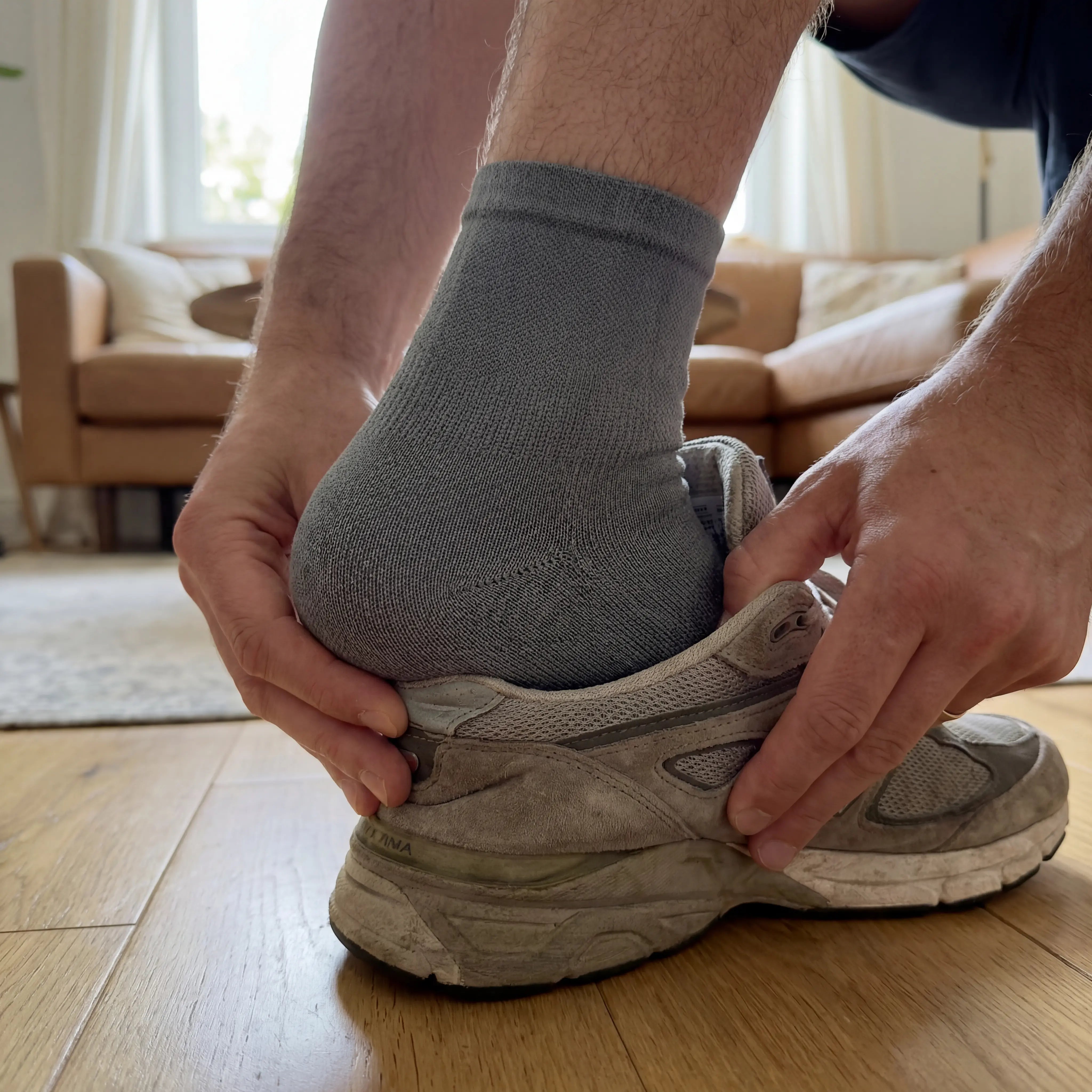
7. Your Brace Isn't Doing What You Think
Many people try compression sleeves or simple wraps.
While they may feel supportive, they do little to stop the actual rolling motion that causes ankle sprains.
Bulky rigid braces may provide support, but they are often uncomfortable and difficult to wear inside everyday shoes.
If a brace is uncomfortable or doesn't fit inside your shoes, most people stop wearing it.
And without consistent support, the cycle of ankle rolling continues.


